
No Comment

Some of you may be wondering why I am going on about the history and continuing foundation of stable democracy in Canada when all around us, the world is, what would you say – exploding? Imploding? Of course, we don’t know yet.
What we do know is that between Iran and Lebanon and everything in between, a lot of people are dead. A lot has already been destroyed.
A contrast, you might say, between this and the careful building and maintenance of a stable, continuous democracy. The one I was writing about in my last post.
‘Canada’s situation is very different,’ some would say. ‘Much easier.’
Actually not. To build the world’s oldest continuous democracy in the tough north while sharing an endless border with a powerful aggressive empire, which invaded all of its neighbours in the 20th century and interfered in the internal affairs of countries throughout the Americas, has not been easy. It could have gone very wrong. Very easily. Endless attention must be paid. Endless attention will always have to be paid. Always.
To say nothing of building a country over 1000s of kilometres of treacherous geography in an equally treacherous climate with an ever more complex population. All difficult. And to produce out of all that a rich, well educated democracy. It is a constructed success.
Now, back to the Iran-Israel strip or curve.
Yes, there has been a dangerous, intense situation in the region for so very long. Mr. Trump and Mr. Netnyahu decided that ‘danger be damned.’ They would just go ahead and blow up as much as they could. The outcome of this intentionally created super instability will become apparent somewhere down the road.
Lots of people are making interesting and intelligent comments on this disaster.
I thought I’d just wait a while until we have a better idea of what it actually means. In the meantime, a few thoughts or doubts:
Does it really mean the end of a U.S. led NATO? Probably. Well, almost certainly.
Will Europe be able to lead instead of following when it comes to international order? This is happening in real time. Every day, European leaders are trying to organize themselves in order to take the lead.
Will Canada be able to align itself, even attach itself to Europe enough to avoid being sucked into the trouble to its south?
The election in Hungary is one sign that things could go in a positive direction.
The latest moves by the British government to accept EU rules by default show courage and a sense of direction. There is a typically British conservative panic campaign going on to convince everyone that Starmer is weak. They do this every time a Labour government comes to power. Yet here you have Starmer taking a gutsy move which may save Britain from isolation and economic catastrophe. After all, that good old ‘special relationship’ with the U.S. is unlikely to reappear in the near future, if ever.
So, a lot is happening and very fast. It is never wise to make philosophical comments in the middle of a war. 24 hours later they usually look dated or foolish.
There you have it – a comment which is more a reflection. It’s worth thinking carefully about war undertaken:
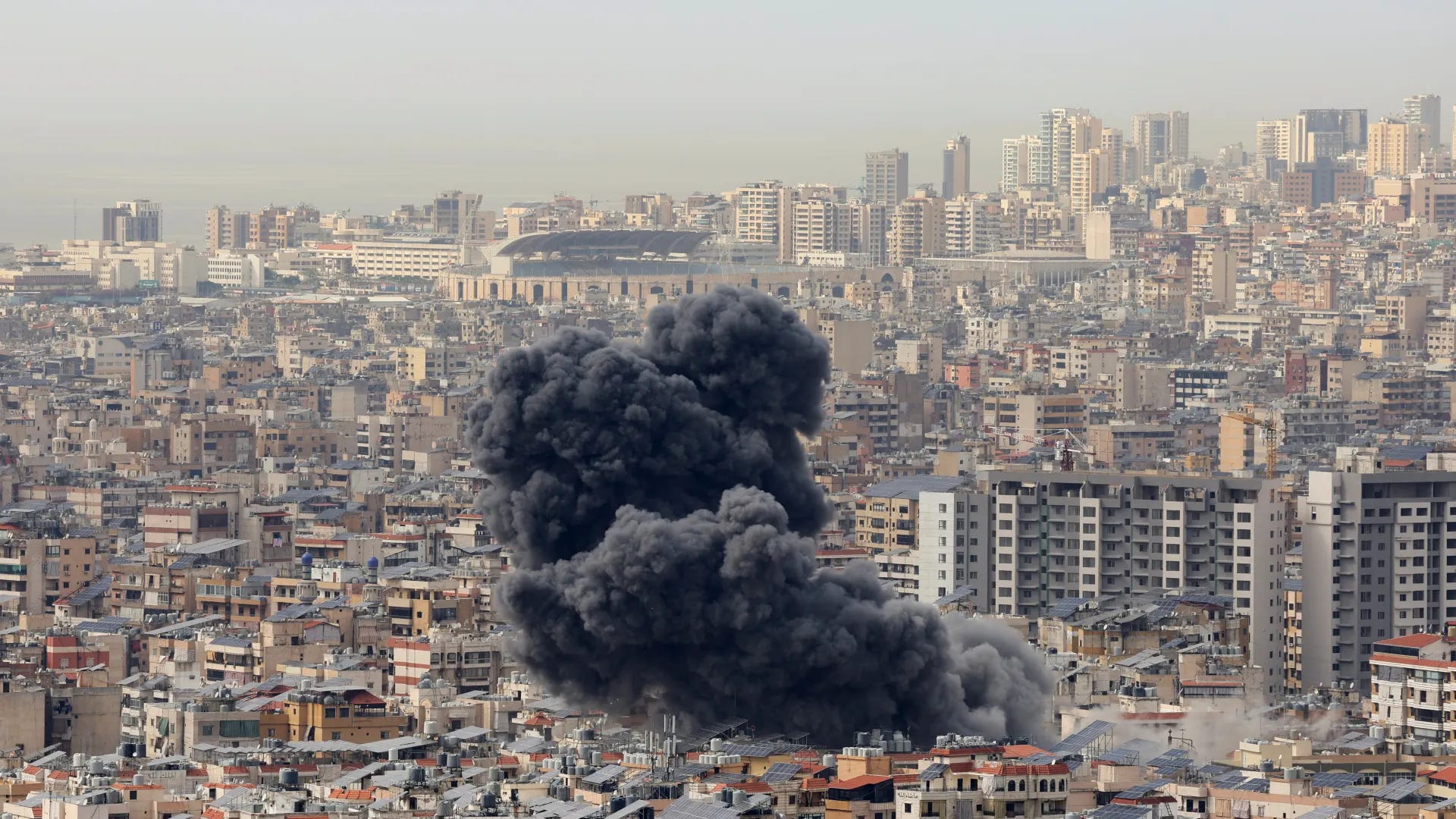
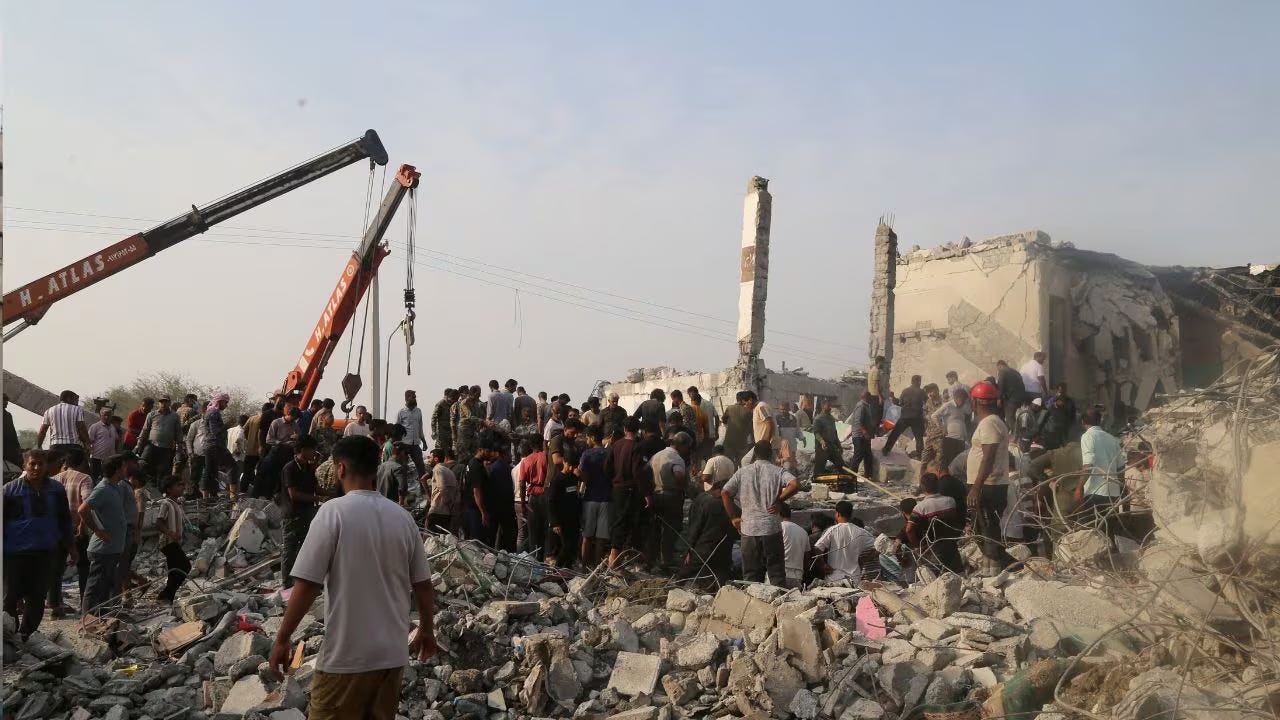
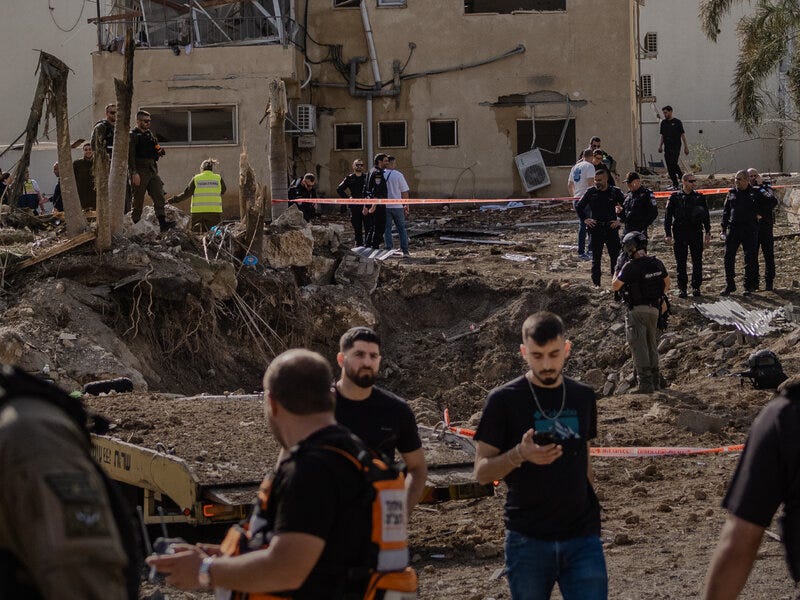
You see – the boys are having fun.
Mind you….
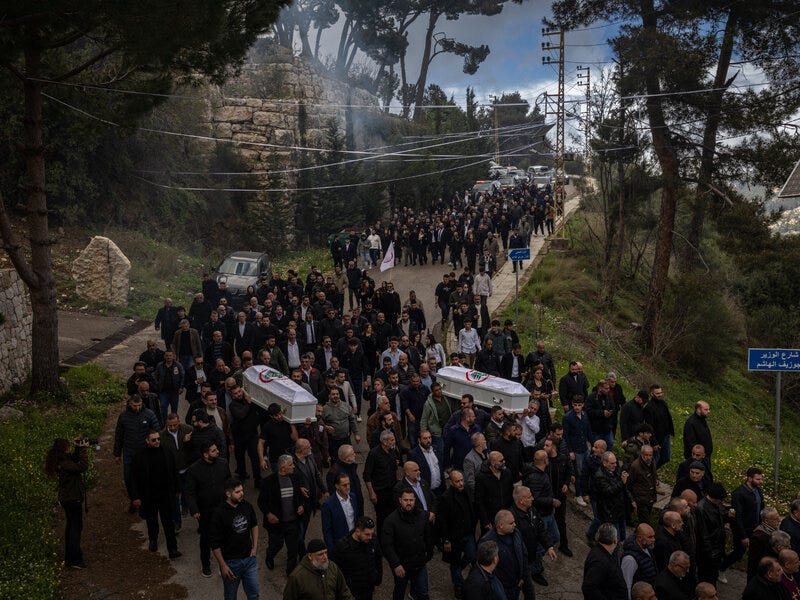
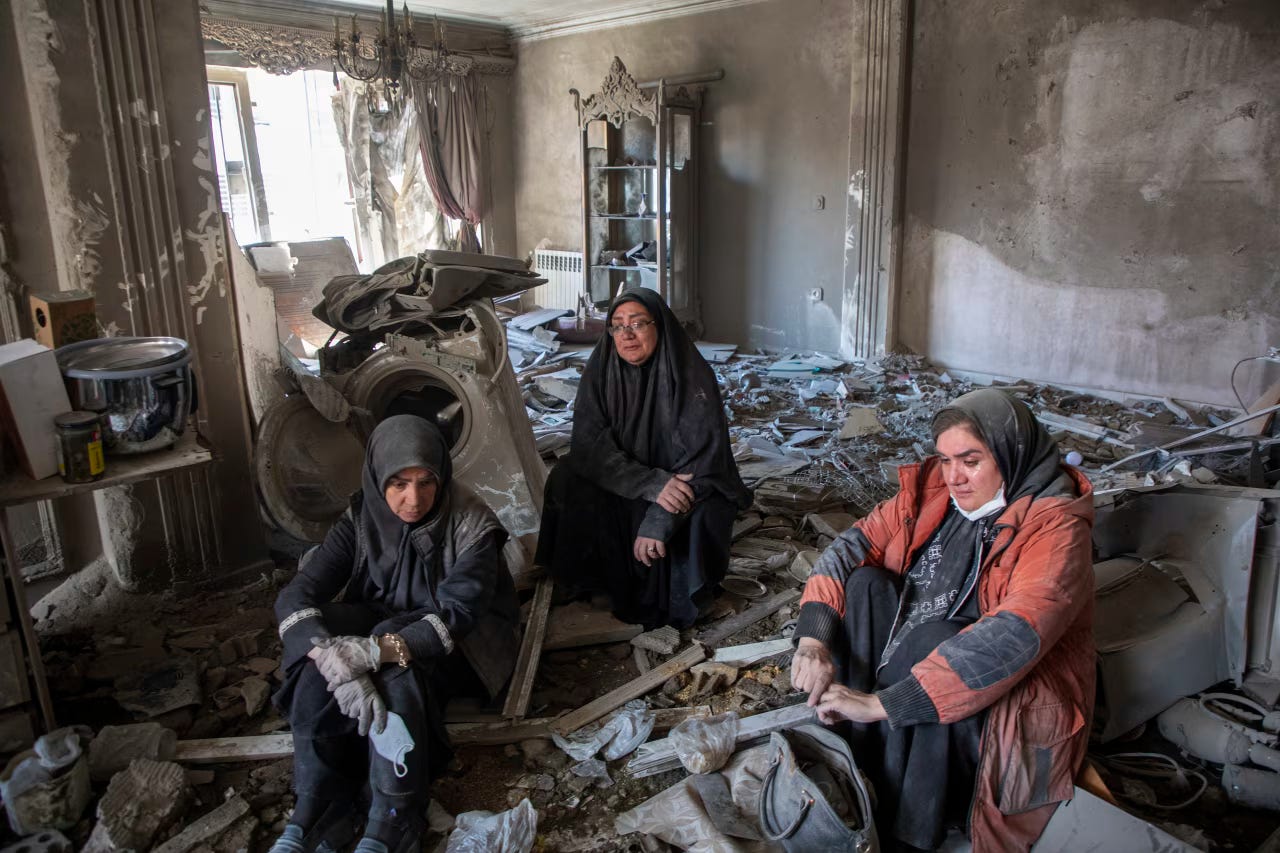
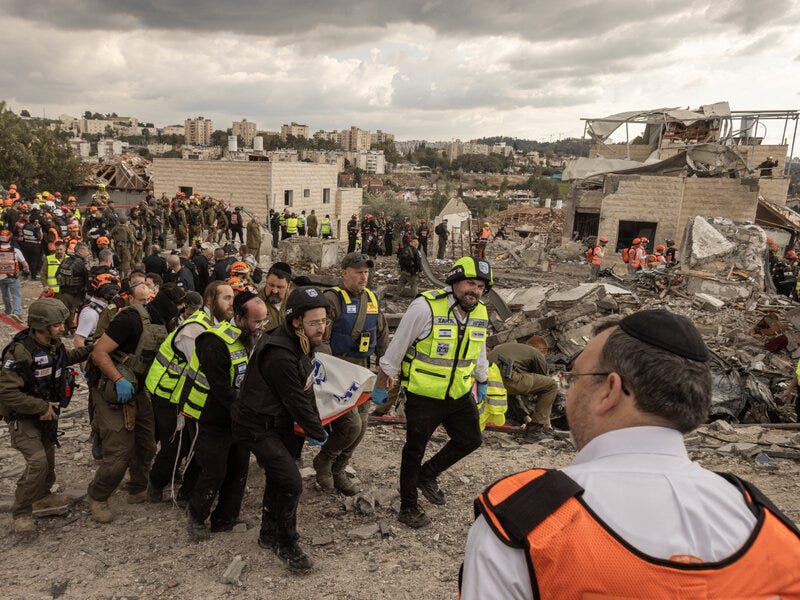
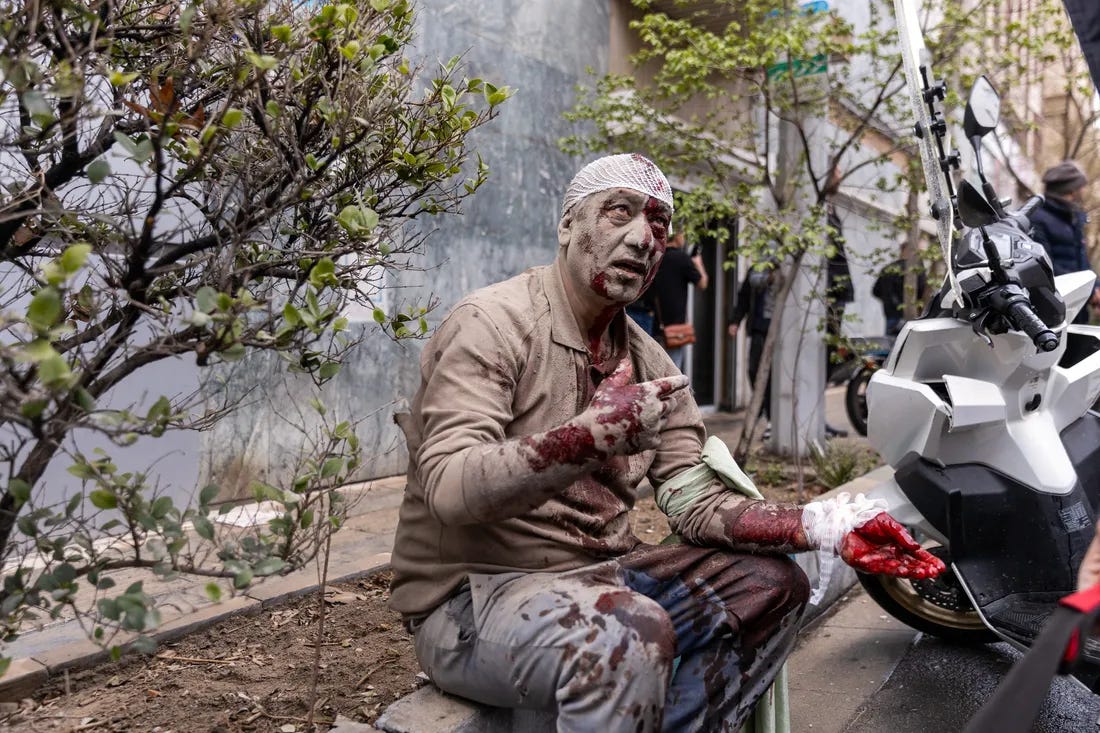
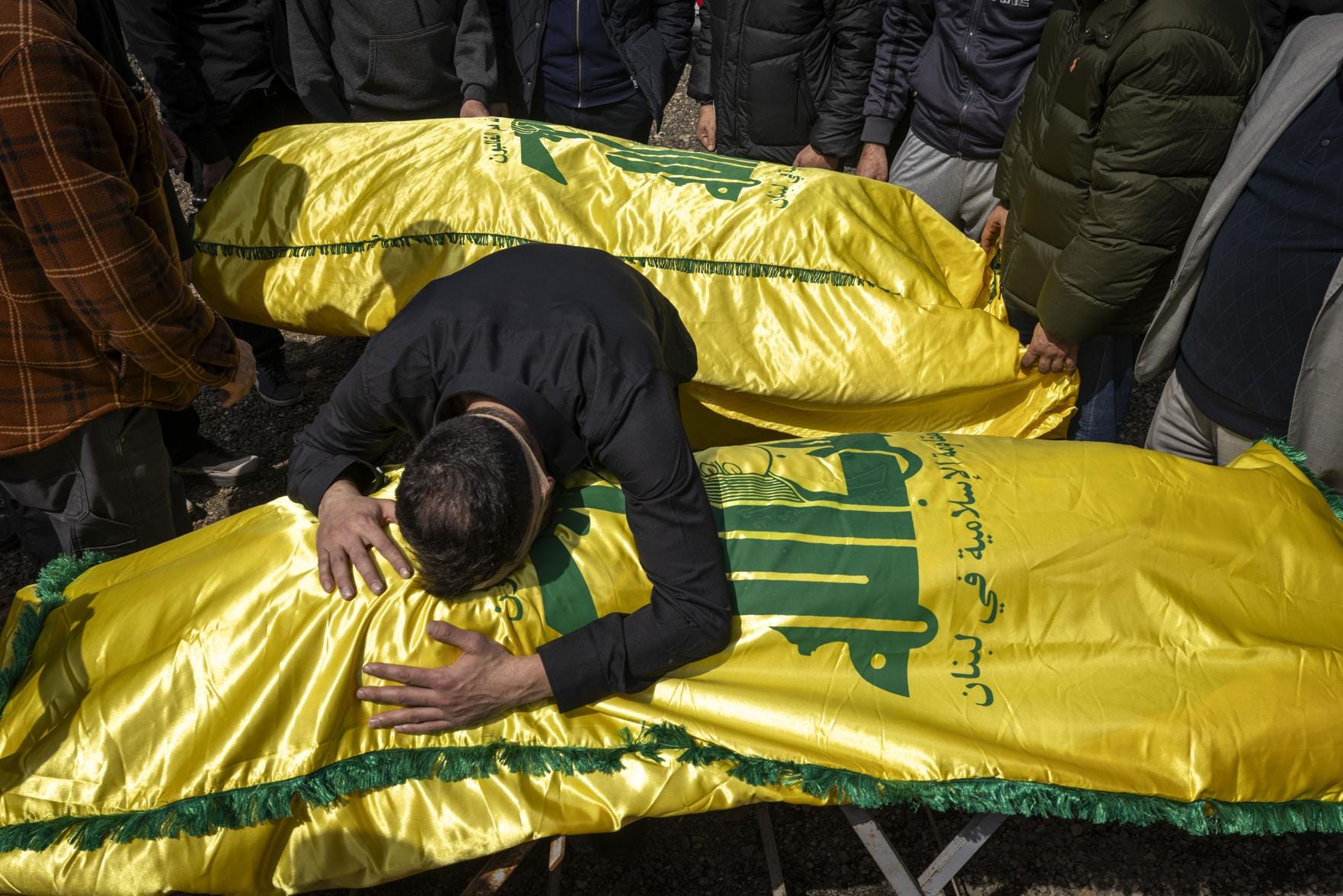
Oh, that’s right, I remember now – war is always the same. Death and suffering. Better to be certain of the need and careful of the ethics. War is not an ethical way to keep a regime of Ayatollahs in power or to try to win Midterms or to stay in power in order to avoid an Israeli prison.
War is…well…war.
Carney needs the moral courage to act like the Prime Minister of Spain. Canada should end the sanctions on Iran and end all support of the Israeli government. Spain is talking about reopening its embassy in Iran. We can hardly punish Iran for its human rights violations when we are complicit in genocide.
I don’t disagree with the moral concern here—but Canada isn’t Spain, and that matters in practical terms.
Our economic exposure to the U.S. is on a completely different scale. Acting in a way that turns them into an adversary wouldn’t be symbolic - as it is for Spain - it would be economically destabilizing. I'm not sure Canadians would support that.
Also, Spain’s actions have been targeted - condemnation and limiting certain forms of cooperation (like use of territory). Those are leverage points they actually have. Canada’s leverage is different, and in many cases more constrained.
This isn’t just a question of “moral courage.” It’s a question of sequencing, leverage, and consequences. If the goal is to influence outcomes, not just signal virtue, then strategy matters as much as principle.